
Belonging Matters: Building Inclusive Cultures and Trusted Relationships
In this free webinar, Miry Mayer, Programme Manager at the Anti-Bullying Alliance, explores what belonging really means in schools and how practitioners can use data to strengthen it.
Part One: Are Schools Using Behaviour Data Early Enough As Safeguarding Intelligence?

In schools, safeguarding concerns do not always begin with a disclosure. They do not necessarily arrive neatly labelled as a safeguarding incident, nor do they always present themselves first to the Designated Safeguarding Lead.
Hear me. Believe me. Respect me: Receiving Safeguarding Disclosures Well

Have you ever thought about how we engage with children and young people impacts on them? As professionals, we aim for high standards – well planned and delivered lessons, managing multiple children’s needs, assessing work, extra-curricular activities and the never-ending to do list. When children and young people want to disclose, we suddenly find ourselves in the safeguarding headspace too.
Safeguarding in Early Years: Practical Strategies Every DSL and Manager Needs to Strengthen Their Setting
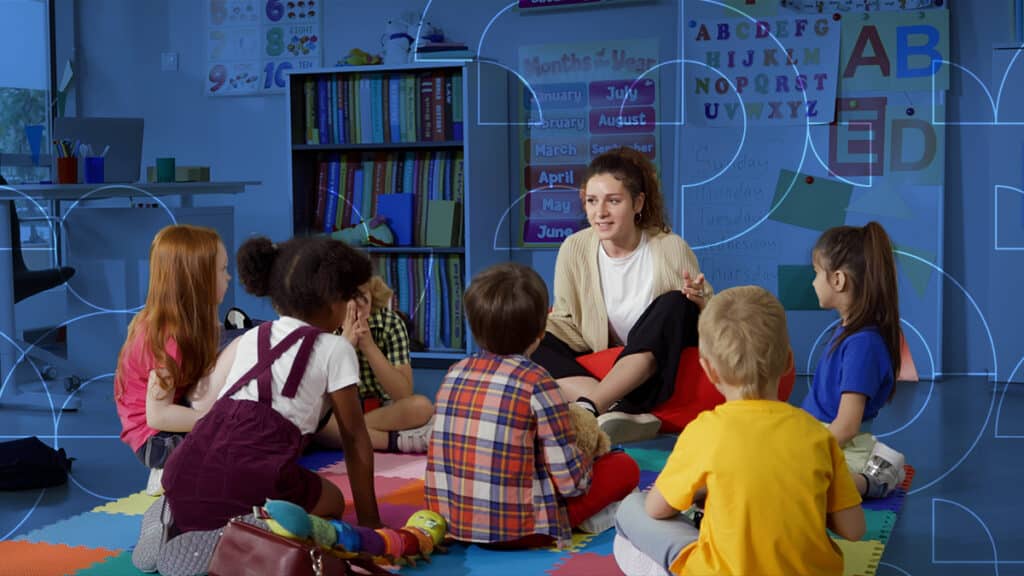
Safeguarding in early years has never stood still, but the expectations placed on leaders and practitioners continue to evolve. Alongside changes to statutory guidance, increasing scrutiny from Ofsted, parents and growing complexity in family circumstances, Designated Safeguarding Leads (DSLs) and managers are expected to create environments where safeguarding is embedded into every aspect of their daily practice.
Online safety doesn’t stop at the school gate: why parent engagement must be part of digital safeguarding

Children do not leave their online lives behind when they walk through the school gates. A disagreement that begins in a WhatsApp group on Sunday evening can become a friendship problem in school on Monday morning, while a child who is contacted by someone during an online game at home may arrive in class worried, distracted or withdrawn.
Benedict’s Law beyond the first-aid room

Benedict’s Law sits at the intersection of both healthcare and safeguarding within schools. In September 2026, Benedict’s Law, formally part of the Children’s Wellbeing and Schools Act
2026, became statutory for every school in England.
Joining the dots: How context shapes safeguarding risk

At 8.15 a.m., fourteen-year-old Maya arrives at school without her coat. She says she lost it. Her teacher notices that she has stopped sitting with her friends. The attendance officer knows she has missed several Mondays. A lunchtime supervisor has seen an older teenager waiting by the gate. Each observation seems small. Together, they may tell a different story.
Supporting Children & Young People Affected by Domestic Abuse
Dr Asha Patel explores the hidden impact of domestic abuse on children and young people, and how schools can support regulation and healing.
“Does It Happen Here? Do You Care?”

Safeguarding has come a long way in sport. National governing bodies set clear expectations, clubs run DBS checks and training, and welfare officers exist at grassroots level in a way that would have been unthinkable a generation ago
World Suicide Prevention Day: Supporting At-Risk Pupils Proactively

Pupils who are struggling are not always invisible. They were seen, but not always seen as a whole person, across every part of their school day.